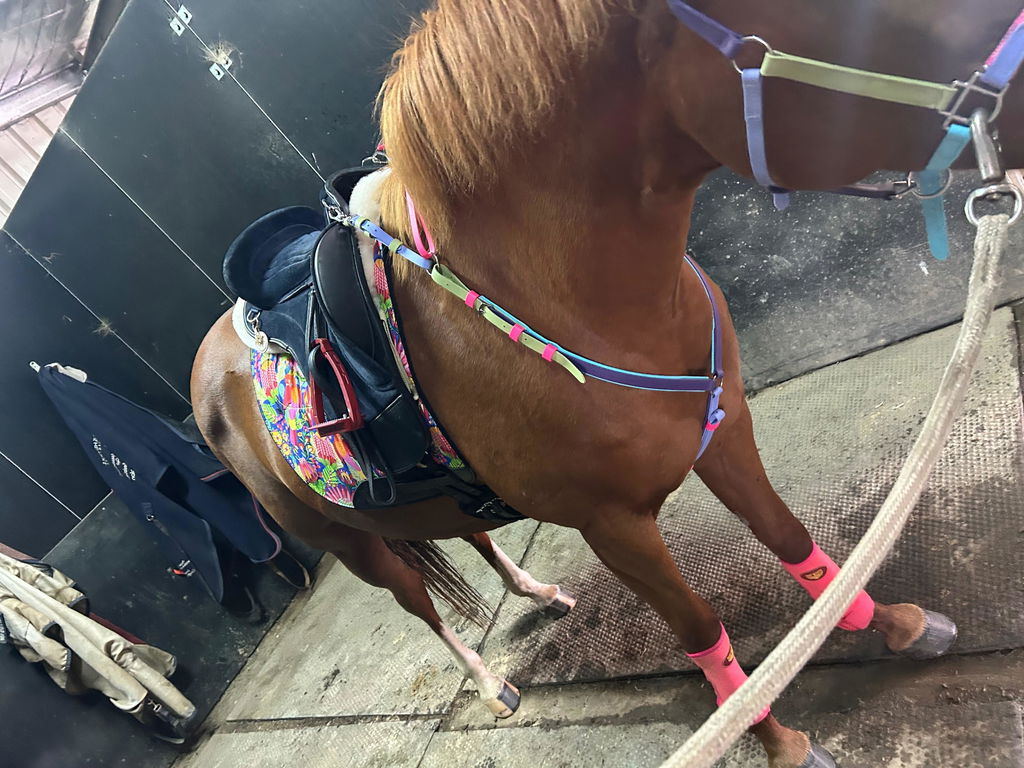
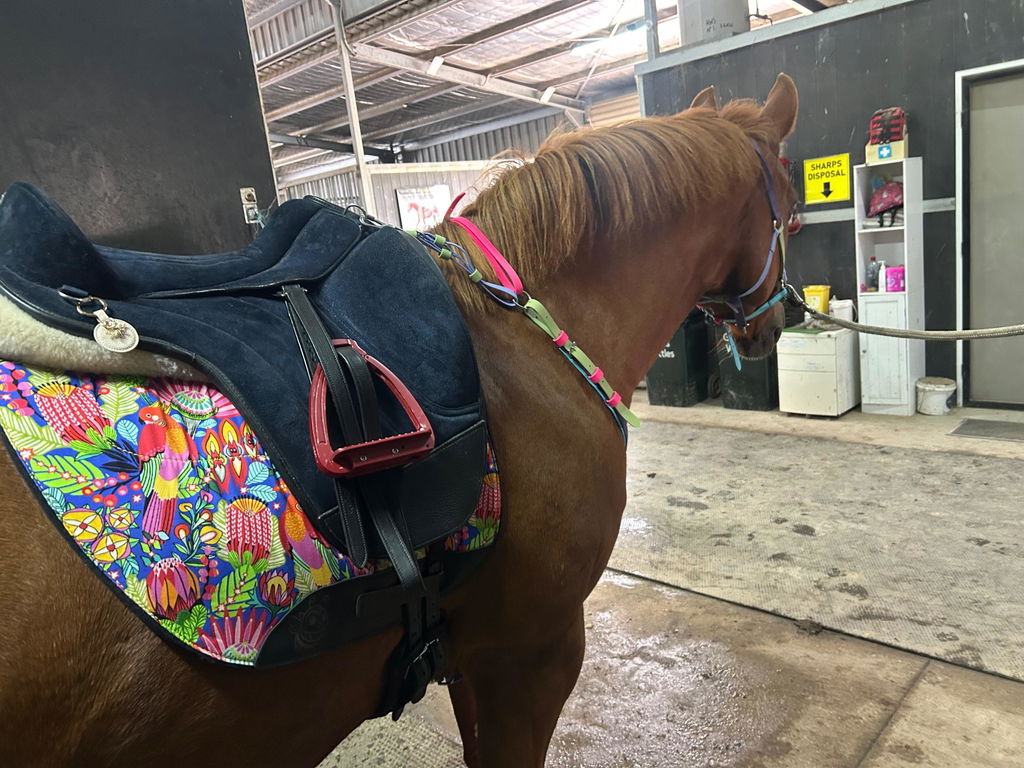
Bitless Bridles Explained: Which Type Is Right for Your Horse?
Share
Thinking about riding bitless but not sure where to start? A sidepull, crossunder and mechanical hackamore can all be described as bitless bridles, but they do not work in the same way. The right choice depends on your horse, your riding, the type of signal you want and, most importantly, correct fit.
This guide explains the main types of bitless bridle, how each one works and the practical differences to consider before choosing.
What is a bitless bridle?
A bitless bridle allows the rider to communicate without a bit inside the horse’s mouth. Instead, rein pressure is transferred to areas of the head such as the nose, cheeks, jaw or poll, depending on the design.
Bitless does not automatically mean mild. The action, materials, fit and rider’s hands all affect how much pressure the horse experiences.
1. Sidepull bitless bridle
How it works: The reins attach at the sides of the noseband, giving a direct rein action without leverage. This can make the signal straightforward and familiar for many horses.
May suit: Horses that respond well to direct pressure, riders wanting a simple bitless set-up, trail and distance riding, and horses transitioning away from a bitted bridle.
Consider: A sidepull does not create leverage, so it should not be chosen simply on the assumption that a stronger horse needs a stronger noseband. Training, fit and the horse’s individual response matter.
2. Mechanical hackamore
How it works: A mechanical hackamore uses shanks to create leverage. Depending on its design and set-up, pressure can be applied across the nose, under the jaw and at the poll.
May suit: Experienced horse-and-rider combinations where a leverage action is understood and appropriate.
Consider: Shank length, nosepiece, curb or chin strap, rein contact and fit can significantly change the action. A mechanical hackamore can apply substantial pressure and should be fitted and used with care.
3. Crossunder bitless bridle
How it works: Straps cross beneath the jaw and connect to the reins. Rein pressure is distributed around more of the horse’s head than with a simple sidepull.
May suit: Horses that prefer a more distributed signal and riders looking for an alternative to direct sidepull action.
Consider: The release of pressure is important. Strap material, adjustment and the individual design can affect how quickly the bridle releases when the rider softens the rein.
4. Rope halter used for riding
How it works: Rope halters use relatively narrow rope and strategically positioned knots to communicate through direct pressure.
May suit: Some established horse-and-rider combinations already accustomed to working in a rope halter.
Consider: Narrow rope concentrates pressure over a smaller area. A riding set-up should be secure, correctly fitted and appropriate for the horse and activity.
5. Bosal
How it works: A traditional bosal is part of a hackamore set-up used particularly in Western horsemanship. Its action and correct use are different from a mechanical hackamore and require appropriate fitting and handling.
May suit: Riders experienced with traditional bosal training and the style of communication it is designed for.
Consider: Correct size, shape, placement and handling are important. It is not simply an interchangeable noseband for any bitless bridle.
Sidepull vs crossunder vs hackamore: what is the difference?
Sidepull: direct rein action at the sides of the nose, without leverage.
Crossunder: rein straps cross beneath the jaw and distribute the signal around the head.
Mechanical hackamore: uses shanks and leverage, changing both the location and potential intensity of pressure.
None is automatically “better” or “kinder”. The most suitable option is the one that is correctly fitted, understood by the horse and rider, and appropriate for the job.
Which bitless bridle is best for a strong horse?
A stronger action is not automatically the best answer for a strong horse. Before moving to more leverage, consider why the horse is becoming strong, how the current bridle fits, whether the horse understands the rein aids, and whether discomfort or training issues may be contributing.
A mechanical hackamore can provide leverage, but that also means it can apply considerably more pressure. If you are unsure, get help from an experienced trainer or qualified fitter who can assess the horse and set-up in person.
How to choose the right bitless bridle
- Start with the action: decide whether you want direct, distributed or leverage-based rein signals.
- Look at your horse: consider previous training, sensitivity, head shape and how the horse responds to pressure.
- Consider your discipline: check the rules for competitions or organised rides before changing equipment.
- Prioritise fit: noseband position, stability, clearance and adjustment all matter.
- Introduce it safely: try unfamiliar equipment in a controlled environment before relying on it out on the trail or at an event.
Bitless bridles for endurance and distance riding
Bitless and multi-function bridles are popular with many distance riders because a well-designed system can make practical tasks such as transitioning between riding and handling simpler. The best arrangement still depends on the individual horse, rider and event rules.
At LS Equestrian, our bitless and multi-bridle options are handmade in New Zealand from Beta® BioThane® and can be configured for different riding requirements. If you are comparing options, our Which Bitless & Multi Bridle guide is a useful next step, or browse our bitless bridle range.
Final thoughts
Choosing a bitless bridle is less about finding the strongest or mildest label and more about understanding how the bridle applies pressure. Sidepulls, crossunders, mechanical hackamores, rope set-ups and bosals all communicate differently.
Choose the action that suits your horse and riding, fit it carefully, introduce it gradually and seek experienced help if you are uncertain.